ChallengesCustomer DiscoveryA/B TestingFindings

How to increase trust to online stores.

Overview

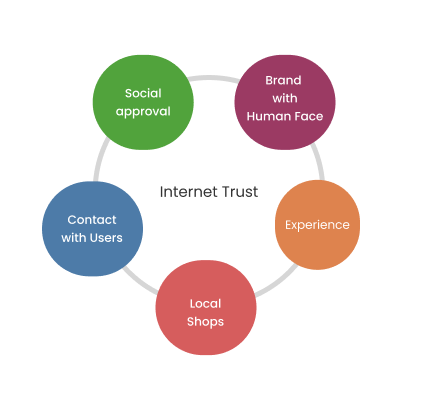
As part of my master's thesis in the final year of university, I conducted research that explores trust on the internet, particularly in situations involving fraud. The focus was on figuring out what internet trust means and why it's crucial for businesses.

By creating two e-commerce websites, I conducted A/B testing to assess various factors that contribute to building trust. The goal was to provide practical recommendations for businesses aiming to strengthen their connection with users and enhance their online presence.

Role

UX Researcher

Duration

12 months

Responsibilities

Information collection
Interiew conduction
Questionare creation
Statistical Analysis
Qalitative analysis
Recomendation creation

Challenges

Small businesses face challenges in expanding because many customers tend to trust well-known and established companies over newer, smaller ones.

Consumers' purchasing behavior, attitudes, and intentions are shaped by the trust they have in the seller. Unfortunately, small businesses often struggle to convince new customers of their trustworthiness
Consumers face challenges in defining which websites present genuine offers and which ones may be attempting to scam them.

When coming across an attractive offer in an unknown online store, the consumer is afraid to take the risk and take advantage of the offer.

Problem statement

How might we enhance the trustworthiness of e-commerce webpages to promote businesses and motivate customers to engage with their offerings?

Customer Discovery

I wanted to understand what exact role trust plays in e-commerce, and find if and to what extent the trust problem between consumer and seller exists.

I performed a series of customer discovery interviews

The user roles are listed below.

Customers
Psychologists
Online Fraud Victims
Small Business Owners
Marketing Specialists
Total Interviews

10

Regular E-Commerce Customers

2

Psychologist in social and advertising fields

4

People who experienced online scam

3

Business owners having online stores

1

Marketing specialist in campaign planning

I conducted secondary research using various scientific sources and literature, focusing on trust, online shopping, factors that increase trust, and cognitive mechanisms involved in internet scams, particularly the need for cognitive closure.​​​​​​​

Key Insights
  • Individuals who are more familiar with technology are more likely to buy from online stores, use e-services, and openly share information about themselves.

  • Trust influences consumer attitudes, intentions, and purchasing behavior by providing certainty that consumers can effectively communicate with sellers, regardless of potential negative consequences.

  • The level of trust in the internet depends on individuals' familiarity with technology.

  • Older generations tend to trust the internet less than younger ones.

  • People who are well-acquainted with the internet usually limit their online contacts to people they know, which creates a sense of security and increases trust.​​​​​

A/B Testing

I needed to test the theory of specific trust-increasing factors for stores. Additionally, I wanted to check the theory about customers' page layout preferences that depend on the need for cognitive closure.
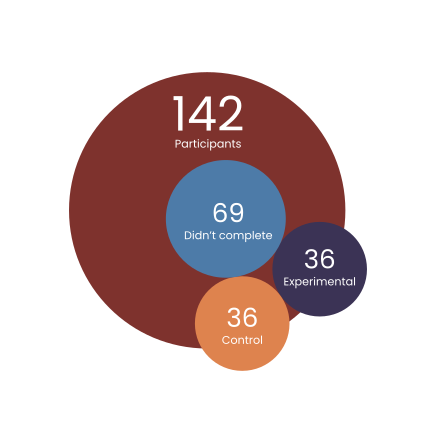
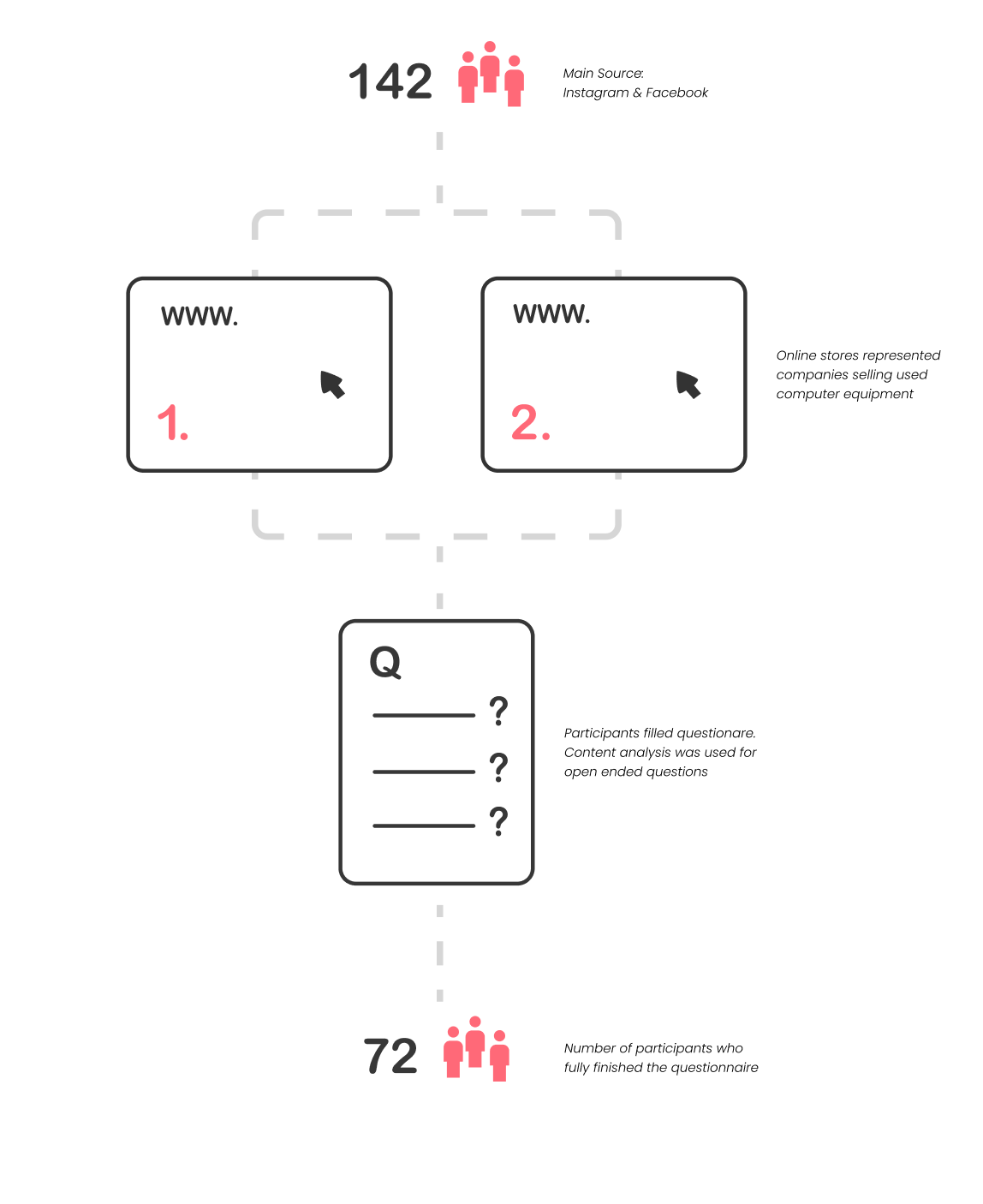
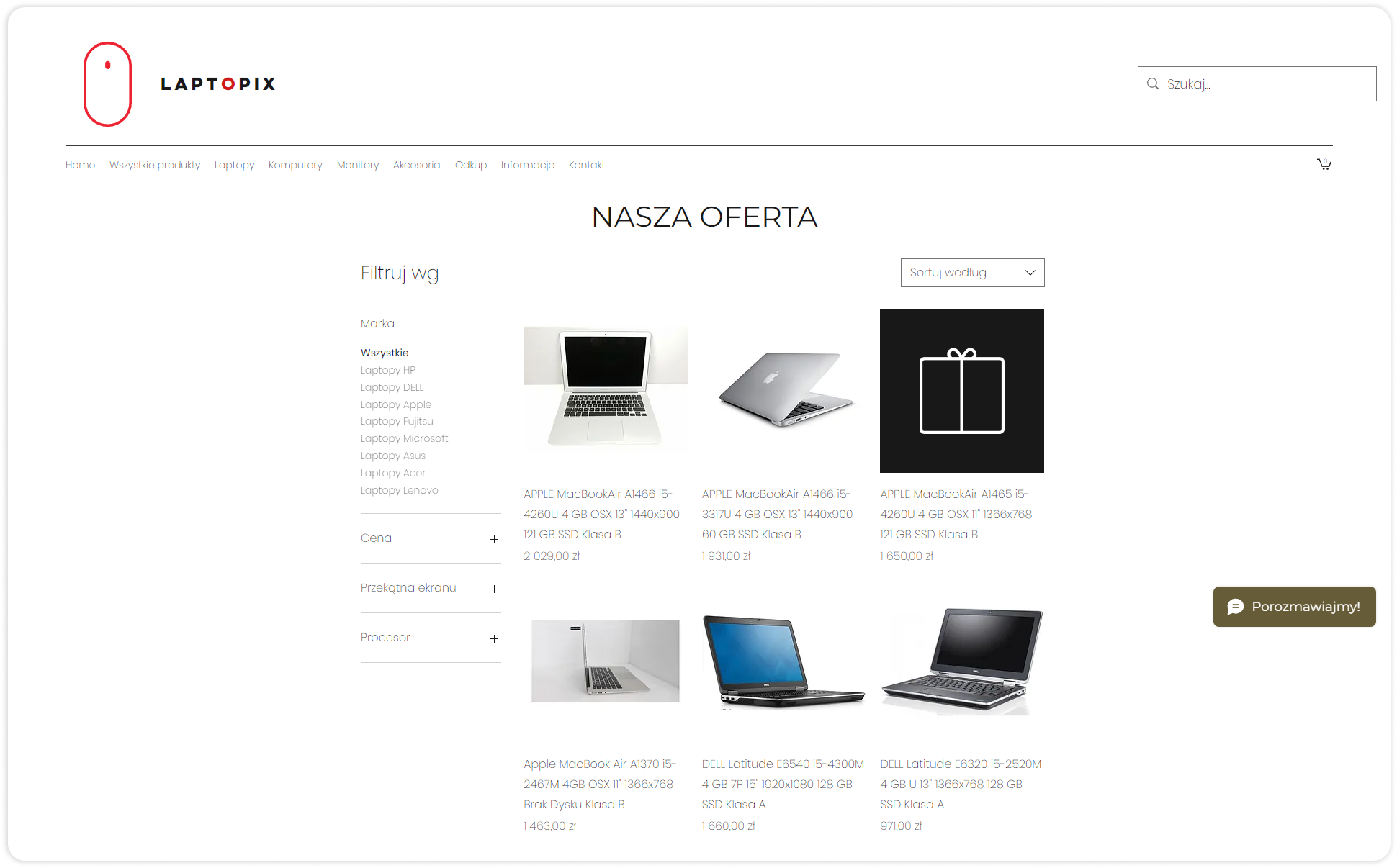
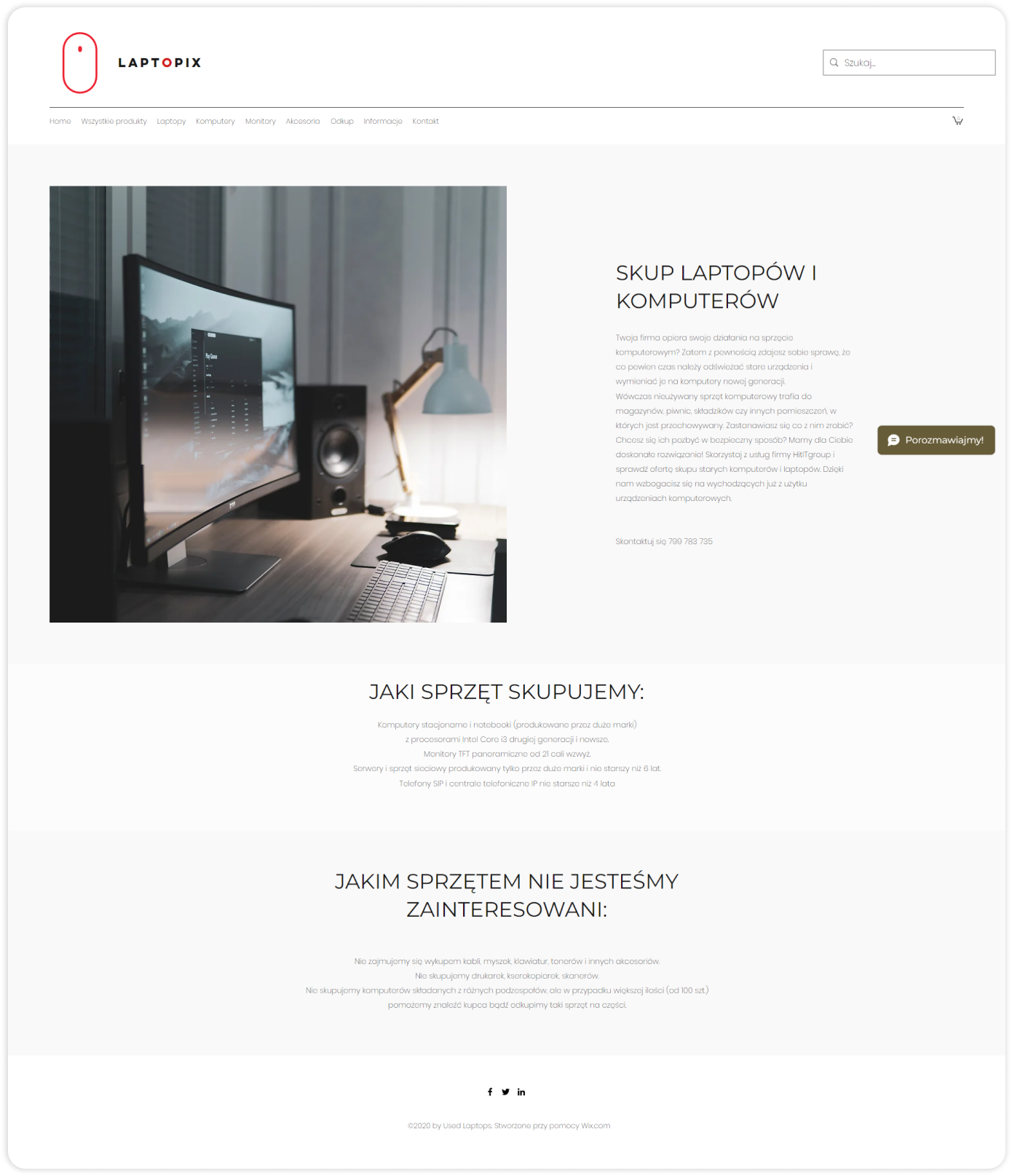
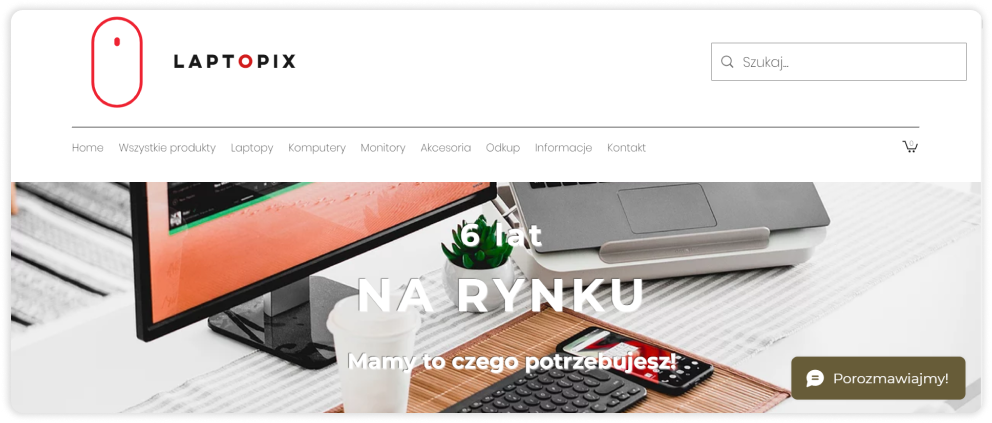
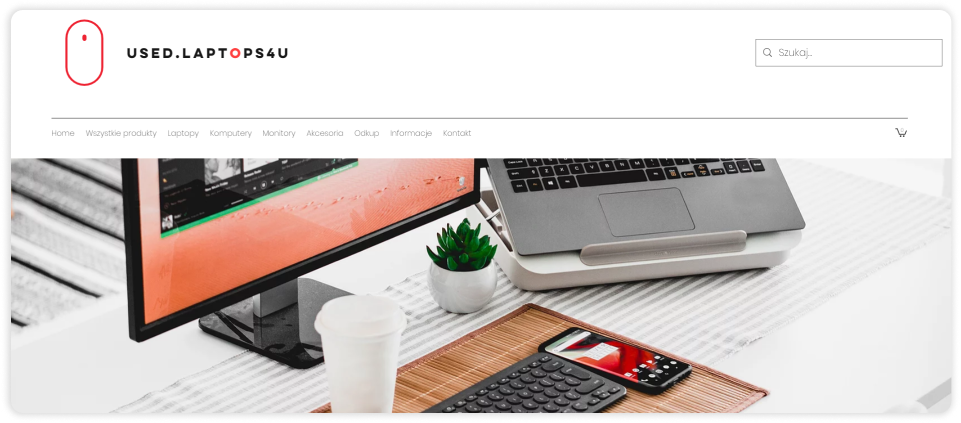
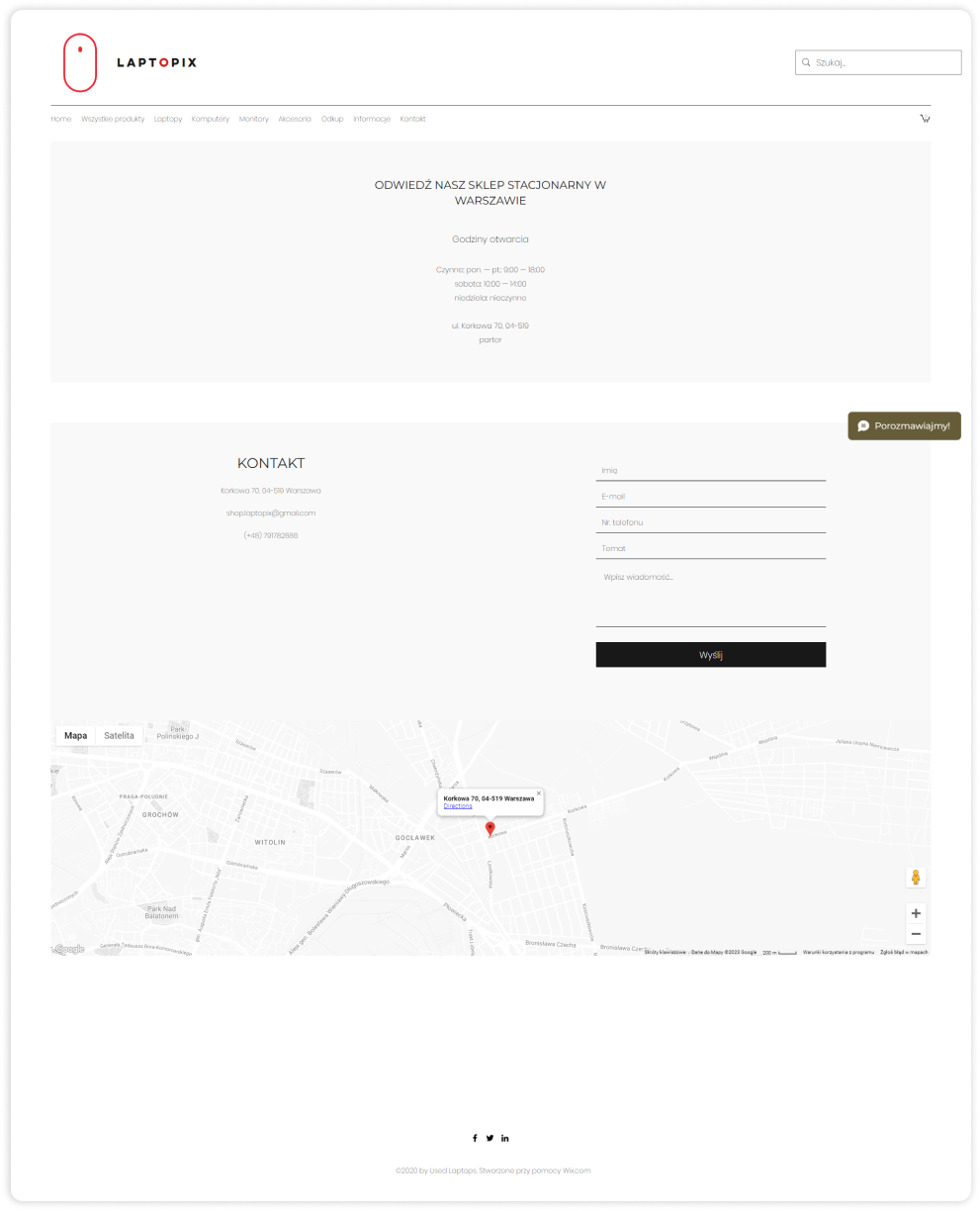
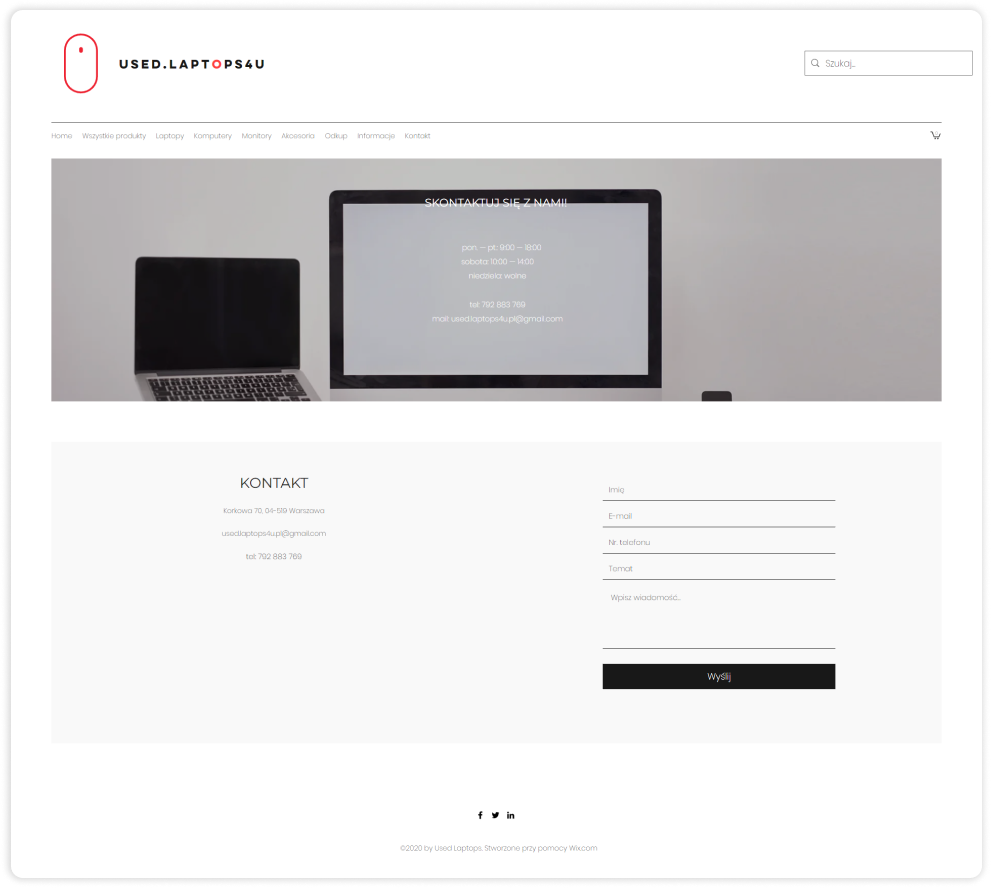
I created 2 e-commerce websites imitating small computer reseller businesses. Each page had an identical design and tabs. The websites differed in name, and additional content was added to one of the websites to potentially increase users' trust in that particular page.

Methodology
Used website screen

Research findings

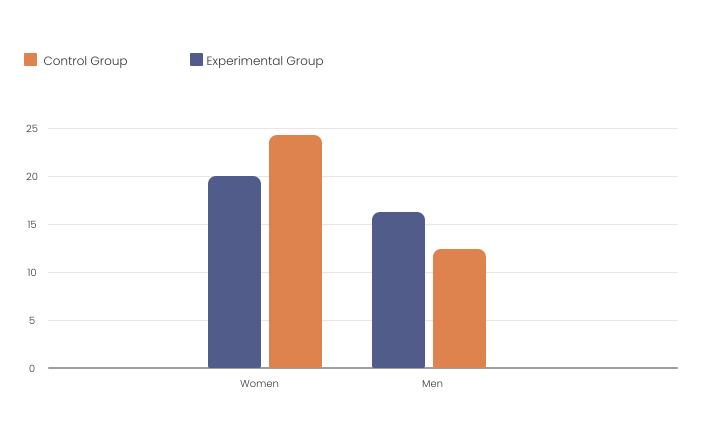
Users who are more internet-savvy and spends a significant amount of time shopping online, finds it easier to identify suspicious message and insecure websites.

There is a positive correlation between the willingness to make purchase and the acceptance of risk. Additionally, individuals who posses this online expertise tend to trust other website and online stores that they perceive as safe.

The greater user's willingness to make a purchase, the more open they are to taking calculated risk.

The correlation analysis revealed a positive relation between the willingness to buy and the acceptance of risk. This correlation suggests that the relationship is one-side and depends on the individual's willingness to make purchase.

Afterwrad, I prototyped a series of solutions to increase the trustworthiness of online store

If you'd like to learn more about my research or details of solutions I've come up with, feel free to contact me.

Next: Contact Information

Continue